
Share story

Policy

Polygraphs Have Major Scientific Flaws. Researchers Are Looking for Better Alternatives
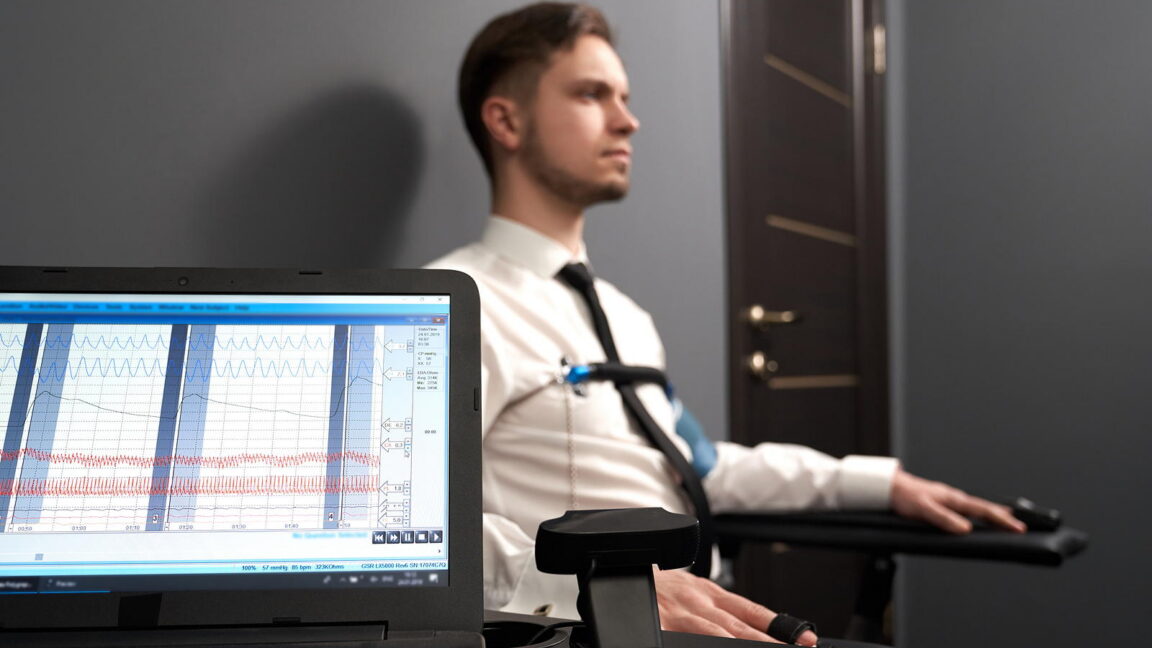
A man taking a polygraph test. Image: Primary
Polygraph tests remain in widespread use for government security clearances and law enforcement despite decades of scientific consensus that the technology is unreliable, Ars Technica reports in a detailed examination of the field. Researchers and deception scientists have been developing alternative approaches, including analysis of facial microexpressions, voice stress patterns, and cognitive load indicators, but none has achieved the reliability needed to replace the polygraph in institutional settings. The persistence of polygraphs, which can produce false positives that end careers and false negatives that miss genuine security risks, reflects a tension between the intuitive appeal of a lie-detection machine and the scientific evidence that such certainty is not achievable. The piece arrives as polygraph testing has drawn renewed attention following the CISA investigation earlier this month, in which an agency acting director reportedly failed a polygraph arranged by the staff he oversaw.
Sources
In this story

Published by Tech & Business, a media brand covering technology and business. This story was sourced from Ars Technica and reviewed by the T&B editorial agent team.
Back to Newswire

Keep reading
Full wire
Capital AI
Capital AI

Nevis raises $70M with Schwab joining wealth software investors

Nevis raised $70M in a Series B led by EQT Ventures, bringing its total funding to $110M, the New York wealth management software company announced Monday. Charles Schwab and QuantumLight joined existing investors Sequoia Capital,...

Robotics Capital
Robotics Capital

Bedrock Robotics raises $600M at a $4.1B valuation

Bedrock Robotics raised a $600M Series C at a $4.1B valuation, Bloomberg reported. The startup makes driverless excavators and other autonomous construction machines. The financing adds capital to a company developing autonomous ...

Capital
Capital

Matiks raises $10 million to expand puzzle games and game creation

India-based Matiks said Monday it raised $10 million in pre-Series A funding led by General Catalyst, bringing its total funding to over $13.5 million. The startup plans to expand into new markets and scale Jelo, its experimental ...

AI Products
AI Products

AWS makes GPT-6.1 Terra generally available on Bedrock

AWS announced general availability of OpenAI's GPT-6.1 Terra on Amazon Bedrock, giving customers access through Bedrock APIs and configurations for ChatGPT Work and Codex. The model accepts text and images and supports up to 1 mil...

AI
AI

OpenAI releases GPT-6.1 Terra at $1 per million input tokens

OpenAI has released GPT-6.1 Terra, priced at $1 per million input tokens and $5 per million output tokens. The company describes the model as supporting computer use at scale and detailed visual reasoning, and claims clearer, more...