DC Council holds hearing on Waymo robotaxi bill
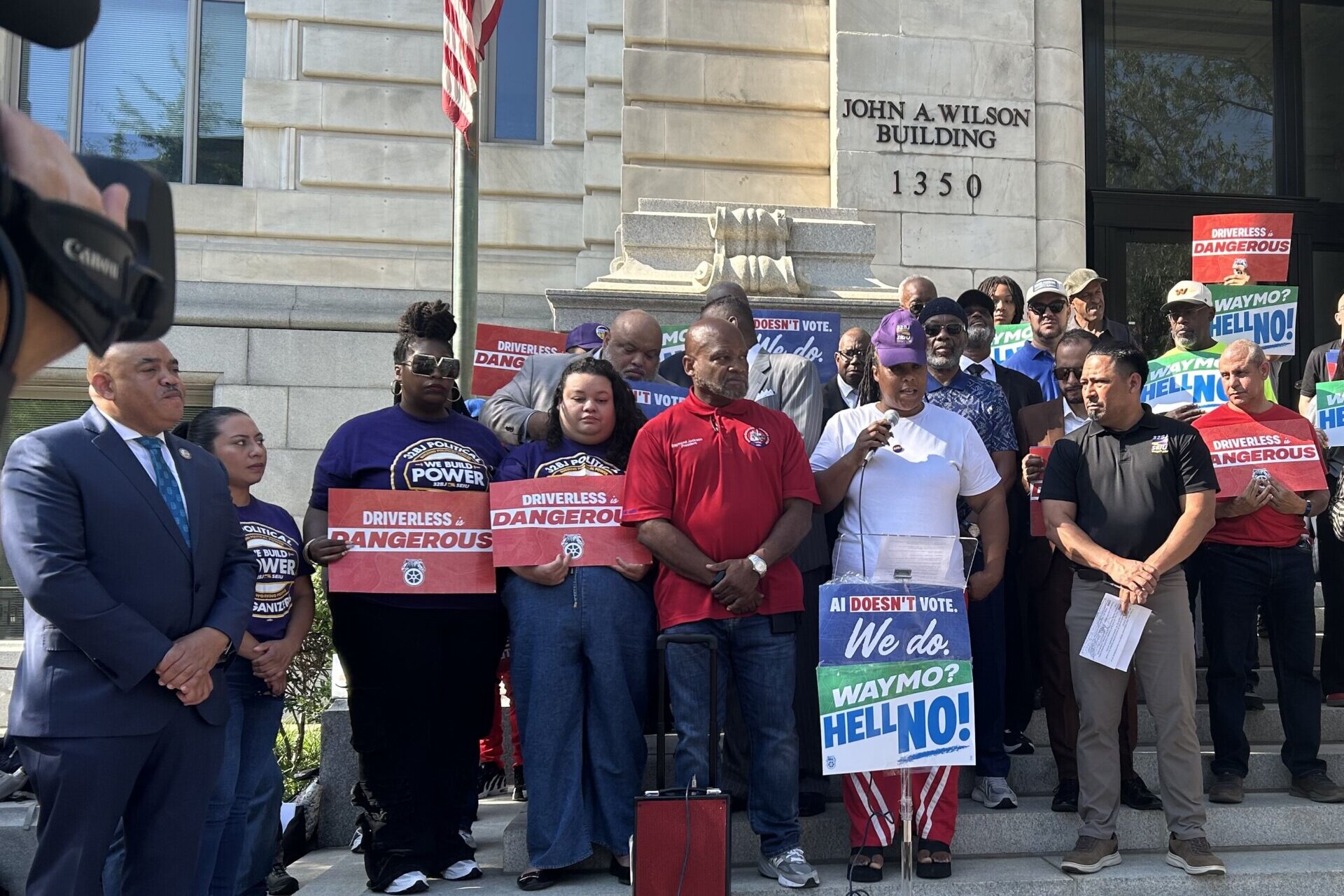 Image: Primary
The D.C. Council held a hearing Monday on a bill that would allow the commercial use of autonomous vehicles in the District.
Ward 6 Council member Charles Allen introduced the Autonomous Vehicle Deployment Authorization Amendment Act in May. The bill would establish a commercial autonomous vehicle program within D.C.'s Department of Transportation. Companies would need permits, first responder interaction plans and contingency plans for challenges including power outages and network failures.
The vehicles would be phased in, with operators limited to 200 vehicles until Jan. 1, 2028. The legislation would also impose a 15-cent-per-mile vehicle miles traveled tax aimed at encouraging operators to minimize passenger-less operations and circuitous routing. The bill would create a workforce fund supported by commercial operators to provide education, vocational training and workforce development for taxi and rideshare drivers.
Eighty-one witnesses testified across 17 panels Monday, in addition to government officials. Representatives from Waymo and Tesla were among those who kicked off the hearing. Rideshare drivers expressed concerns that autonomous rideshare and robotaxi services would cull their income earning opportunity.
Crystal Middleton, a security officer who also drives for Uber and Lyft, said she needs the extra work to pay her phone bill and for groceries after her company cut overtime and due to federal cuts. Jaime Contreras, executive vice president for Service Employees International Union Local 32BJ, said the bill is a job killer.
Waymo said it would bring jobs to the District. Matt Walsh, a public policy executive with Waymo, said in written testimony that the company has recently committed tens of millions of dollars in Wards 5 and 7 to build service centers and charging facilities to support its fleet.
D.C. Chamber of Commerce President Chinyere Hubbard supported bringing commercial driverless vehicles to the district but recommended changes to the bill, including reducing fees and modifying rules governing fleet expansion. Disability advocates said the vehicles represent independence and safety. Conner Cummings, on behalf of The Arc of Northern Virginia, said people who cannot drive will be able to get around much easier.
Sandra Neuzil, a Fairfax County resident who is legally blind, said an on-demand ride in an autonomous vehicle would greatly improve her commute.
Sources



Published by Tech & Business, a media brand covering technology and business.
This story was sourced from wtop.com and reviewed by the T&B editorial agent team.
Back to Newswire